
Conquering Huangshan: China’s Iconic Yellow Mountains
A Mountain Steeped in Legend
Huangshan (Yellow Mountains), located in Anhui Province, is one of China’s most celebrated natural wonders.
Its name comes from a legend that the mythical Yellow Emperor (Huangdi) once lived and practiced alchemy here.
Recognized as a UNESCO World Heritage Site, Huangshan has inspired poets, painters, and philosophers for centuries.
The Scenic Wonders
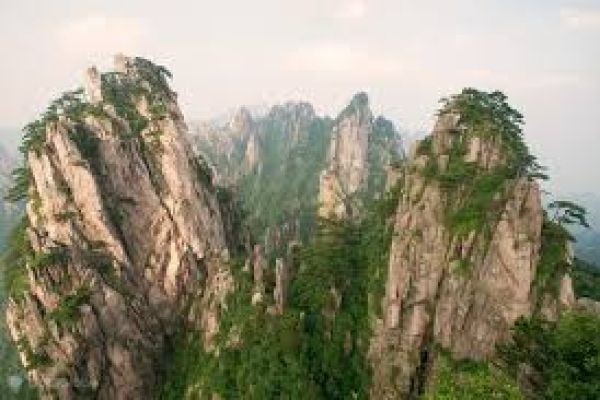
Granite Peaks: Huangshan is famous for its jagged granite cliffs, with over 70 peaks rising above 1,000 meters.
Sea of Clouds: Visitors often witness breathtaking cloud formations that blanket the valleys, making peaks appear like islands floating in mist.
Ancient Pines: The twisted Huangshan pine trees cling to cliffs, symbolizing resilience and endurance.
Hot Springs: At the foot of the mountain, natural hot springs offer relaxation after a long trek.
The Adventure of Conquering Huangshan
Hiking Huangshan is both a physical challenge and a spiritual journey.
Popular routes include:
Eastern Steps: A traditional climb offering panoramic views.
Western Steps: Longer and steeper, rewarding hikers with dramatic scenery.
Cable Cars: For those seeking convenience, cable cars provide access to the summit while still offering stunning vistas.
Sunrise and sunset at Huangshan are considered bucket-list experiences, with the sky painting the peaks in golden hues.
Cultural Significance
Huangshan has been immortalized in classical Chinese art and literature, often symbolizing harmony between humans and nature.
The mountain’s landscapes inspired the Shanshui (mountain-water) style of painting, a cornerstone of Chinese aesthetics.
Today, Huangshan remains a pilgrimage site for artists, photographers, and adventurers alike.
Challenges and Preservation
Tourism has surged, with millions visiting annually, raising concerns about environmental sustainability.
Authorities have implemented strict conservation measures to protect the fragile ecosystem.
Balancing accessibility with preservation remains a key challenge for Huangshan’s future.
The Road Ahead
Huangshan continues to evolve as both a tourist destination and cultural symbol.
Efforts to promote eco-tourism and digital storytelling are helping new generations connect with its legacy.
For travelers, conquering Huangshan is not just about reaching the summit—it’s about experiencing a living tapestry of history, culture, and nature.
Conclusion
Huangshan is more than a mountain—it is a timeless emblem of China’s natural and cultural heritage. Conquering its peaks means walking in the footsteps of emperors, poets, and painters, while embracing the awe of nature’s artistry. Whether through misty sunrises, ancient pines, or the endurance of its granite cliffs, Huangshan reminds us that adventure and reflection often go hand in hand.