
Basketball Fever in China: How the NBA Captured Millions of Fans
The Early Days of Basketball in China
Basketball was introduced to China in the early 20th century by missionaries and quickly became popular in schools and universities.
By the mid-1900s, it was already one of the most played sports in urban areas, laying the foundation for future growth.
The sport’s accessibility—requiring little equipment and playable in small spaces—made it ideal for China’s densely populated cities.
The NBA’s Arrival
The NBA began broadcasting games in China in the 1980s, sparking curiosity among young fans.
The turning point came in 2002, when Yao Ming joined the Houston Rockets. His success made him a national icon and brought millions of Chinese viewers to the NBA.
NBA games became a cultural phenomenon, with fans staying up late to watch live broadcasts despite time zone differences.
Why Basketball Resonates in China
Youth Appeal: Basketball is seen as modern, energetic, and aspirational, resonating strongly with younger generations.
Community Culture: Outdoor courts in cities and villages alike foster a sense of community, making basketball a social activity as much as a sport.
Role Models: Stars like Yao Ming, Jeremy Lin, and LeBron James inspire fans, blending athletic excellence with global celebrity culture.
Digital Engagement: Platforms like Tencent Sports stream NBA games, while social media amplifies highlights, memes, and fan discussions.
The NBA’s Business Success in China
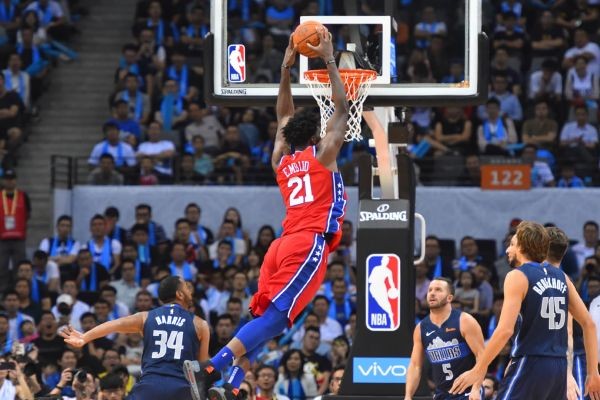
China is the NBA’s largest overseas market, with hundreds of millions of viewers annually.
Sponsorships, merchandise, and exhibition games have turned basketball into a multi-billion-dollar industry in China.
NBA stars frequently tour China during the off-season, strengthening fan loyalty and brand presence.
Challenges and Controversies
Political Tensions: The NBA has faced backlash over political issues, highlighting the delicate balance between sports and diplomacy.
Local Competition: The Chinese Basketball Association (CBA) nurtures domestic talent, offering fans a homegrown alternative.
Sustainability: Maintaining long-term engagement requires adapting to shifting cultural and political landscapes.
The Future of Basketball in China
With grassroots programs expanding and more Chinese players entering international leagues, basketball’s popularity shows no signs of slowing.
The NBA continues to invest in youth development, digital platforms, and cultural exchange, ensuring its relevance in China’s evolving sports market.
Basketball in China is more than a sport—it’s a cultural bridge, connecting millions of fans to a global community.
Conclusion
Basketball fever in China is a testament to the sport’s universal appeal and the NBA’s ability to capture hearts across borders. From Yao Ming’s historic debut to today’s thriving fan culture, basketball has become a symbol of aspiration, community, and global connection. As the NBA and China continue to navigate challenges, the love for the game remains a powerful force uniting millions.