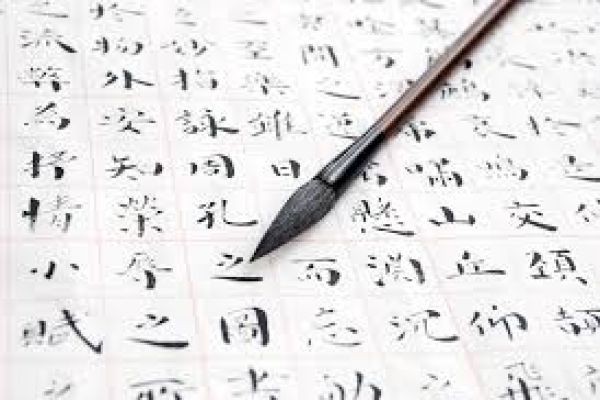

The Art of Calligraphy: How Writing Shapes Identity
Calligraphy is more than beautiful handwriting — it is a living art form that reflects culture, personality, and identity. In China, calligraphy has been revered for centuries as one of the highest artistic achievements, standing alongside poetry and painting. Today, it continues to shape how people connect with tradition, express themselves, and even find mindfulness in a fast-paced world.
Ancient Roots of Calligraphy
Chinese calligraphy dates back thousands of years, evolving from oracle bone inscriptions to the elegant brush strokes of the Tang and Song dynasties. Each script — from the rigid seal script to the flowing cursive script — carries its own rhythm and spirit. Calligraphy was not just about communication; it was a reflection of the writer’s inner world. Scholars believed that the way one wrote revealed character, discipline, and moral integrity.
Calligraphy as Cultural Identity
For centuries, calligraphy has been a cornerstone of Chinese identity. It is deeply tied to Confucian ideals of self-cultivation and respect for tradition. Writing was seen as a way to align oneself with the harmony of nature and society. Even today, calligraphy is taught in schools, practiced in temples, and displayed in homes, reminding people of their cultural roots.
Beyond China, calligraphy has influenced other cultures — from Japanese shodō to Arabic calligraphy — each adapting the art to reflect unique identities. In every case, calligraphy becomes a bridge between language and art, shaping how communities see themselves.
Personal Expression Through Writing
Calligraphy is not only about tradition; it is also a medium of personal expression. The choice of brush, ink, and style reflects individuality. A bold, sweeping stroke may convey confidence and passion, while delicate, precise lines suggest patience and restraint. In this way, calligraphy becomes a mirror of personality, allowing writers to express emotions without words.
Modern artists often blend calligraphy with contemporary design, graffiti, or digital art, proving that this ancient practice can evolve while staying relevant. For many, practicing calligraphy is also a form of meditation — a way to slow down, focus, and reconnect with oneself.
Calligraphy in the Modern Era
In today’s digital age, where typing dominates, calligraphy offers a refreshing counterbalance. Workshops and online communities are reviving interest among younger generations. Social media platforms showcase calligraphy videos, turning brush strokes into mesmerizing performances. Meanwhile, designers incorporate calligraphic elements into logos, fashion, and advertising, keeping the art alive in everyday life.
Bubble tea shops may use playful calligraphy on their menus, while luxury brands employ elegant scripts to evoke heritage. This fusion of old and new demonstrates how writing continues to shape identity in subtle yet powerful ways.
Final Reflection
The art of calligraphy is more than ink on paper — it is a dialogue between tradition and individuality. It shapes cultural identity by preserving heritage, while also offering a canvas for personal creativity. In every stroke lies a story: of discipline, emotion, and connection. Whether practiced in a quiet study or shared on a digital screen, calligraphy reminds us that writing is not just about words — it is about who we are.