
Family Values in China: Balancing Tradition and Modernity
Family has always been the cornerstone of Chinese society. Rooted in Confucian philosophy, family values emphasize respect, harmony, and collective responsibility. Yet in today’s rapidly changing China, these traditions are being reshaped by modern lifestyles, urbanization, and global influences. The result is a fascinating balance between age-old customs and contemporary realities.
Traditional Foundations
For centuries, Chinese family life was guided by Confucian ideals:
Filial Piety (xiao): Respecting and caring for one’s parents and elders was seen as the highest virtue.
Hierarchy and Roles: Families operated with clear structures, where elders held authority and younger generations followed guidance.
Collective Identity: The family unit was prioritized over individual desires, with decisions often made for the benefit of the group.
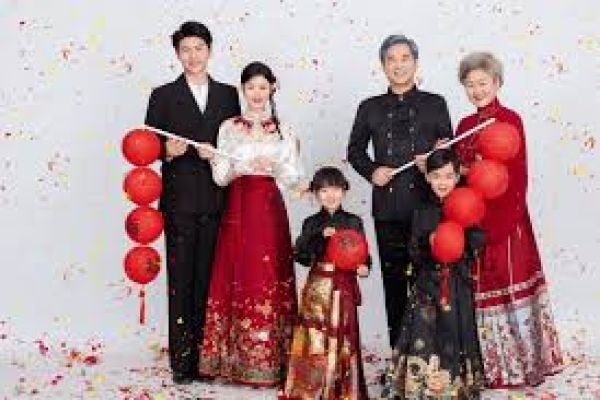
These values created strong intergenerational bonds and ensured continuity of traditions. Festivals like Lunar New Year, where families reunite to honor ancestors, remain powerful symbols of this heritage.
Modern Shifts
As China urbanizes and globalizes, family structures are evolving:
Smaller Families: The one-child policy (1979–2015) reshaped demographics, leading to nuclear families rather than extended households.
Dual-Income Households: With more women pursuing careers, traditional gender roles are shifting.
Individual Aspirations: Younger generations increasingly value personal freedom, education abroad, and career mobility, sometimes clashing with parental expectations.
Technology & Distance: Families separated by migration or work rely on apps like WeChat to stay connected, redefining how closeness is maintained.
Balancing Old and New
Despite these changes, traditional values remain deeply embedded:
Respect for Elders: Even in modern households, caring for aging parents is considered a moral duty.
Festivals & Rituals: Family reunions during Spring Festival or Mid-Autumn Festival continue to reinforce bonds.
Marriage & Responsibility: While attitudes toward marriage are becoming more flexible, family approval still plays a significant role in relationships.
At the same time, modern influences encourage individuality. Young people may choose partners based on love rather than arranged expectations, and many families now support children pursuing unconventional careers or lifestyles.
The Future of Family in China
China’s family values are not disappearing — they are adapting. The younger generation seeks balance: honoring traditions while embracing modern freedoms. This duality is visible in everyday life: a young professional might video-call her grandmother daily while also pursuing a career abroad; a family may celebrate Lunar New Year with ancestral rituals and then head out for bubble tea together.
Ultimately, family in China remains a source of identity, resilience, and continuity. The challenge — and beauty — lies in weaving together the threads of tradition and modernity into a fabric that reflects both heritage and progress.
Final Reflection
Family values in China are a living dialogue between past and present. They remind us that while societies evolve, the essence of family — love, respect, and connection — remains timeless. In China, this balance of tradition and modernity ensures that family continues to be both a cultural anchor and a dynamic force shaping the future.