
Tea Culture in Modern China: From Ancient Rituals to Bubble Tea Craze
Tea has been at the heart of Chinese life for thousands of years. From the quiet elegance of a traditional tea ceremony to the bustling energy of bubble tea shops lining city streets, China’s tea culture is a fascinating blend of ancient ritual and modern reinvention.
Roots in Tradition
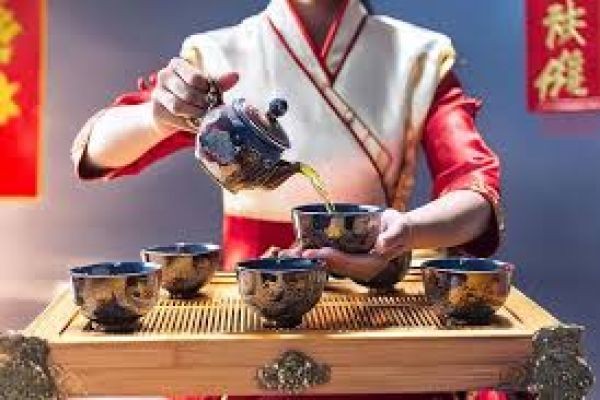
Tea drinking in China dates back to the Tang Dynasty, when it was first cultivated as both a medicinal herb and a social beverage. Over centuries, tea evolved into a symbol of hospitality, wisdom, and harmony. The gongfu tea ceremony, still practiced today, emphasizes patience and mindfulness. Every step — from warming the teapot to pouring the brew — is performed with precision, reflecting the belief that tea is not just a drink but a way of life.
Different regions developed their own specialties:
Longjing (Dragon Well) tea from Hangzhou, prized for its delicate aroma.
Pu’er tea from Yunnan, aged and fermented for a rich, earthy flavor.
Tieguanyin oolong from Fujian, celebrated for its floral notes.
These teas are more than beverages; they are cultural treasures, often gifted during festivals or shared in family gatherings.
Tea in Everyday Modern Life
In today’s China, tea remains a daily ritual. Office workers sip green tea at their desks, elders gather in parks with thermoses of jasmine tea, and students unwind with a pot of oolong in cozy tea houses. Tea is woven into the rhythm of life, offering comfort, health benefits, and a sense of continuity with the past.
Tea houses, both traditional and contemporary, thrive in cities like Chengdu and Beijing. Some preserve the old-world charm with bamboo chairs and opera performances, while others cater to younger crowds with minimalist interiors and Wi-Fi. This coexistence of old and new reflects how tea culture adapts without losing its essence.
The Bubble Tea Revolution
In recent decades, tea has taken on a playful, modern twist: bubble tea (or boba). Originating in Taiwan in the 1980s, bubble tea quickly spread across mainland China and beyond. Today, bubble tea shops are everywhere, offering endless variations — from classic milk tea with chewy tapioca pearls to fruit-infused teas topped with cheese foam.
For younger generations, bubble tea is more than a drink; it’s a lifestyle. Ordering a cup after class, snapping photos for social media, or trying limited-edition flavors has become part of urban youth culture. Chains like HeyTea and Nayuki have turned tea into a fashionable, Instagram-worthy experience, blending tradition with innovation.
A Culture That Keeps Evolving
What makes tea culture in China so remarkable is its ability to evolve while staying rooted in tradition. The same country that reveres centuries-old tea ceremonies also embraces bubble tea as a symbol of modern creativity. Whether enjoyed in a quiet temple courtyard or a neon-lit café, tea continues to connect people — across generations, across lifestyles, and across time.
Final Reflection
Tea in China is not just about what’s in the cup. It’s about the stories, rituals, and communities that surround it. From the meditative calm of brewing Longjing to the playful joy of sipping bubble tea, China’s tea culture is a living tradition — ancient yet ever new.