
Football in China: Ambitions, Challenges, and the Road Ahead
The Dream of Football Glory
Football has long been seen as a national ambition in China, with leaders envisioning the sport as a way to boost global prestige.
In 2015, the government unveiled a national football development plan, aiming to turn China into a football powerhouse by 2050.
Goals included building thousands of new pitches, expanding youth academies, and increasing participation at grassroots levels.
Ambitions and Investments
Domestic League Growth: The Chinese Super League (CSL) attracted global attention by signing international stars like Oscar, Hulk, and Carlos Tevez with record-breaking contracts.
Infrastructure Expansion: Massive investments were made in stadiums, training facilities, and youth academies.
Grassroots Development: Schools were encouraged to integrate football into physical education, aiming to nurture millions of young players.
Global Partnerships: Chinese companies invested in European clubs (e.g., AC Milan, Atlético Madrid), signaling ambitions to learn from established football cultures.
Challenges Facing Chinese Football
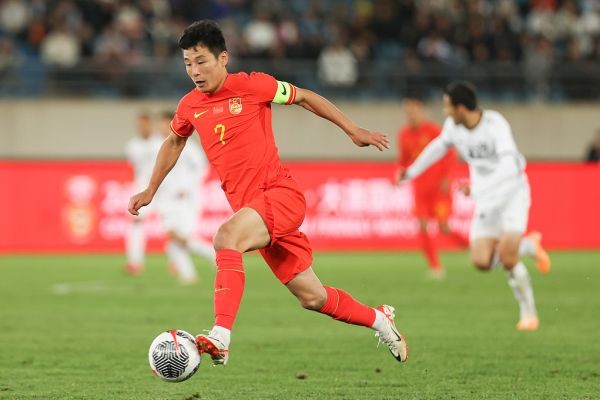
National Team Struggles: Despite investments, China’s men’s national team has only qualified for the FIFA World Cup once (2002), and results remain disappointing.
Overreliance on Foreign Talent: The CSL’s reliance on imported stars overshadowed domestic player development, limiting long-term progress.
Financial Instability: Some clubs faced bankruptcy due to unsustainable spending, leading to stricter regulations on foreign player salaries.
Cultural Barriers: Unlike basketball or table tennis, football has struggled to become a deeply rooted part of everyday Chinese sports culture.
Signs of Progress
Youth Academies: Growing emphasis on nurturing homegrown talent is slowly improving the quality of domestic players.
Women’s Football: China’s women’s national team has achieved far greater success, winning the Asian Cup in 2022 and consistently qualifying for World Cups.
Policy Adjustments: Salary caps and restrictions on foreign players are pushing clubs to focus more on local development.
Fan Engagement: Football fandom is strong, with millions of Chinese fans passionately following European leagues like the Premier League and La Liga.
The Road Ahead
Grassroots First: Sustainable success will depend on building a strong base of youth players and coaches.
Balanced Investment: Shifting focus from short-term foreign signings to long-term domestic development is crucial.
Global Integration: Continued partnerships with international clubs and academies can accelerate learning and skill transfer.
Cultural Embedding: Football must become more than a spectacle—it needs to be woven into community life, schools, and local clubs.
Conclusion
China’s football journey is a story of ambition colliding with reality. While billions have been invested and dreams of World Cup glory remain alive, challenges in player development, financial sustainability, and cultural adoption persist. Yet, with renewed focus on grassroots growth and women’s football, the road ahead offers hope. If China can balance ambition with patience, football may one day become not just a dream, but a defining chapter in its sporting legacy.