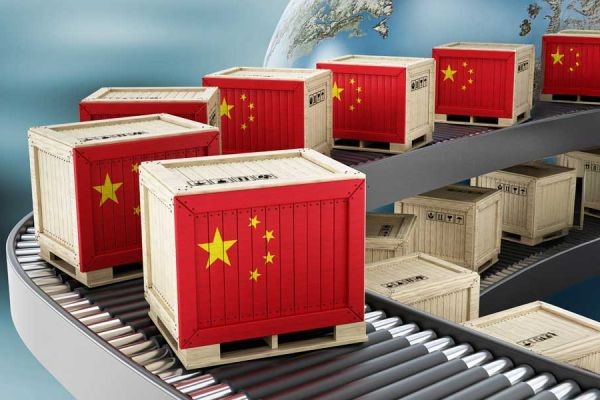

China remains the backbone of global supply chains, contributing nearly a third of the world’s manufacturing output, but faces both opportunities and challenges as the landscape evolves.
China’s Role in Global Supply Chains: Challenges and Opportunities
China as the Manufacturing Powerhouse
China accounts for over 28% of global manufacturing output, making it the largest contributor worldwide.
Its rise was fueled by government reforms, foreign investment, and the creation of Special Economic Zones (SEZs), which transformed cities like Shenzhen into global hubs.
Advanced infrastructure—ports, railways, and highways—ensures efficient movement of goods, cementing China’s role as the “world’s factory.”
Opportunities Driving Growth
Innovation and R&D: China has invested heavily in technology-intensive sectors, including semiconductors, renewable energy, and AI, positioning itself as a leader in advanced manufacturing.
Belt and Road Initiative (BRI): By building infrastructure across Asia, Africa, and Europe, China is expanding its trade networks and securing supply chain resilience.
Digital Transformation: Smart logistics, e-commerce platforms like Alibaba, and digital currencies (Digital Yuan) are reshaping how goods flow globally.
Challenges Facing China’s Supply Chains
Geopolitical Risks: Trade tensions, particularly with the US, have disrupted supply chains and forced companies to diversify.
Climate Change & Sustainability: Rising environmental concerns push China to balance industrial growth with green policies.
Pandemic Disruptions: COVID-19 exposed vulnerabilities in global reliance on China, leading to calls for reshoring and diversification.
Critical Minerals Control: While China dominates rare earth production, this dependency raises concerns for global industries reliant on these materials.
Global Adaptation
Many multinational companies are adopting a “China+1” strategy, keeping operations in China while expanding to other countries to reduce risk.
Despite diversification, China’s scale, efficiency, and innovation capacity make it irreplaceable in the near future.
The challenge for China is to maintain its dominance while adapting to political, environmental, and technological shifts.
Conclusion
China’s role in global supply chains is both a strength and a vulnerability. Its unmatched manufacturing capacity and innovation drive opportunities, but geopolitical tensions, sustainability demands, and pandemic lessons highlight the need for resilience. As the world rethinks supply chains, China’s ability to adapt will determine whether it remains the indispensable hub of global commerce.