
Dragon Boat Festival: Racing Traditions and the Story of Qu Yuan
Origins of the Festival
The Dragon Boat Festival (Duānwǔ Jié, 端午节) is celebrated on the 5th day of the 5th lunar month, usually in late May or June.
It is one of China’s oldest festivals, with a history of more than 2,000 years.
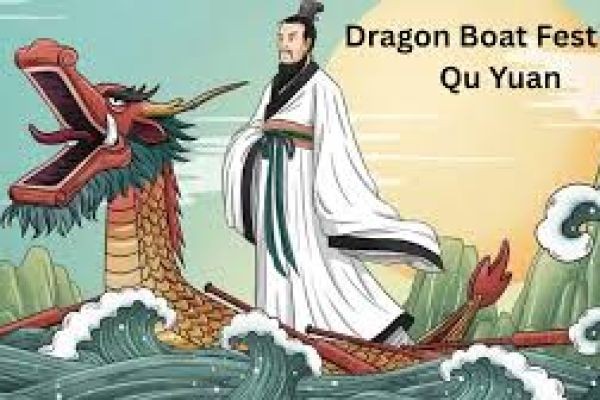
The festival commemorates Qu Yuan, a patriotic poet and minister of the Chu state during the Warring States period.
The Story of Qu Yuan
Qu Yuan was a loyal statesman known for his wisdom and devotion to his country.
When he was falsely accused of treason and exiled, he wrote poetry expressing his love for his homeland.
In despair over his state’s downfall, he drowned himself in the Miluo River.
Villagers raced out in boats to save him or recover his body, throwing rice into the river to distract fish from eating him.
This act gave rise to the traditions of dragon boat racing and eating zongzi (sticky rice dumplings).
Racing Traditions
Dragon Boat Races are the highlight of the festival, featuring long, narrow boats decorated with dragon heads and tails.
Teams of paddlers row in unison to the beat of a drum, symbolizing strength, teamwork, and community spirit.
These races are now held worldwide, turning the festival into a global sporting and cultural event.
Festival Foods
Zongzi (粽子): Sticky rice wrapped in bamboo leaves, often filled with beans, meat, or egg yolk.
Eating zongzi honors the villagers’ offering to Qu Yuan and symbolizes remembrance and protection.
Herbal drinks and other seasonal foods are also enjoyed to ward off disease and bring good health.
Modern Celebrations
Today, the Dragon Boat Festival is celebrated across China and in many overseas Chinese communities.
It has been recognized as an Intangible Cultural Heritage of Humanity by UNESCO.
Beyond racing and food, the festival emphasizes patriotism, resilience, and cultural identity.
Conclusion
The Dragon Boat Festival is more than thrilling races and delicious zongzi—it is a living tribute to Qu Yuan’s loyalty and sacrifice. It embodies the values of unity, remembrance, and cultural pride. As dragon boats cut through rivers and drums echo across the water, the festival continues to light up China’s cultural spirit, connecting ancient traditions with modern celebrations.