
Opera Traditions: From Beijing Opera to Kunqu
The Roots of Chinese Opera
Chinese opera is one of the world’s oldest performing arts, blending music, dance, drama, and acrobatics.
It evolved over centuries, with regional styles reflecting local culture and dialects.
Among the most influential are Beijing Opera (Peking Opera) and Kunqu Opera, each representing different eras and aesthetics.
Beijing Opera: The National Stage
Originating in the late 18th century, Beijing Opera became the most recognized form of Chinese opera.
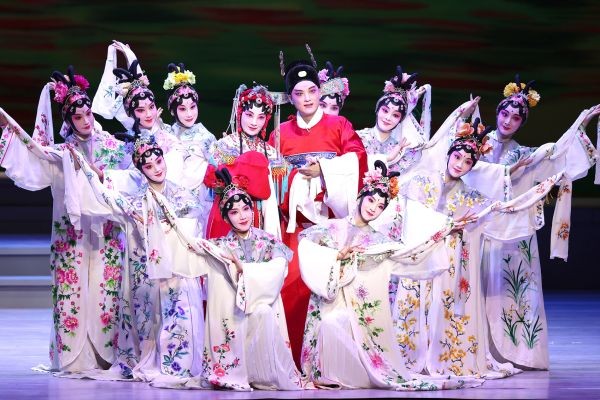
Known for its elaborate costumes, painted facial masks, and stylized movements, it combines martial arts with theatrical storytelling.
Roles are divided into four categories: Sheng (male), Dan (female), Jing (painted face), and Chou (comic).
Stories often depict historical events, folklore, and moral lessons, performed with symbolic gestures rather than realistic acting.
Its popularity earned it the title of “National Opera of China.”
Kunqu Opera: The Elegant Ancestor
Kunqu Opera dates back to the Ming Dynasty (14th–17th centuries) and is considered the “mother of Chinese operas.”
It is characterized by refined melodies, poetic lyrics, and graceful movements, emphasizing elegance over spectacle.
Kunqu influenced later forms, including Beijing Opera, and remains treasured for its literary richness and artistry.
UNESCO recognized Kunqu as a Masterpiece of the Oral and Intangible Heritage of Humanity in 2001, highlighting its cultural significance.
Cultural Impact and Preservation
Both Beijing Opera and Kunqu are more than entertainment—they are cultural archives, preserving language, values, and aesthetics.
They showcase the fusion of Confucian ideals, Daoist philosophy, and folk traditions.
Modern efforts include revival programs, international tours, and digital platforms, ensuring younger generations engage with these traditions.
Opera schools and cultural festivals across China continue to train performers and attract audiences worldwide.
Challenges and Opportunities
Challenges: Declining audiences among youth, competition from modern entertainment, and the complexity of traditional training.
Opportunities: Fusion with contemporary art forms, global collaborations, and digital media exposure.
These adaptations allow opera to remain relevant while preserving its authentic spirit.
Conclusion
From the graceful Kunqu to the vibrant Beijing Opera, Chinese opera traditions embody centuries of artistry and cultural wisdom. They are not just performances but living heritage, carrying stories, philosophies, and aesthetics across generations. As China embraces modernity, these operas continue to shine as timeless symbols of its cultural spirit, proving that tradition and innovation can coexist on the same stage.