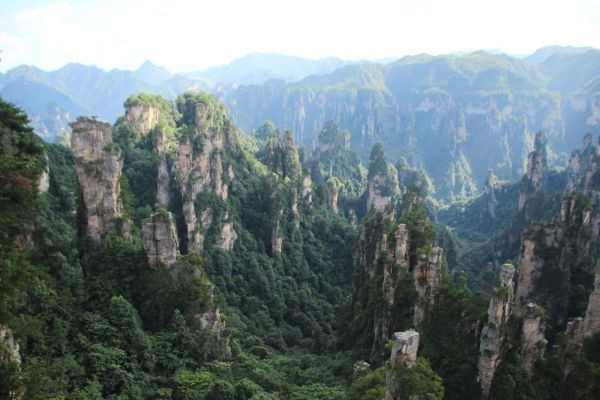

China’s sacred mountains are more than natural wonders—they are spiritual landmarks that embody centuries of tradition, faith, and cultural identity. Revered by emperors, monks, and pilgrims alike, these peaks symbolize the connection between heaven and earth, serving as places of worship, meditation, and inspiration.
The Concept of Sacred Mountains
In Chinese culture, mountains are seen as dwellings of gods and ancestors, bridging the earthly and divine realms.
They are central to Taoist, Buddhist, and Confucian traditions, each associating specific peaks with spiritual practices.
Pilgrimage to these mountains has been a way to seek blessings, enlightenment, and harmony with nature.
The Five Great Mountains (Wǔyuè)
The Five Great Mountains are the most renowned in Chinese history, linked to cosmic deities and imperial rituals:
Mount Tai (Taishan, East) – Symbol of peace and prosperity; emperors performed sacrifices here.
Mount Hua (Huashan, West) – Known for steep trails and Taoist temples; a destination for seekers of immortality.
Mount Heng (Hengshan, South) – Associated with Confucian traditions and scholarly reflection.
Mount Heng (Hengshan, North) – A Taoist stronghold with ancient temples.
Mount Song (Songshan, Center) – Home to the Shaolin Temple, birthplace of Chan (Zen) Buddhism and martial arts.
Buddhist Sacred Mountains
China also honors the Four Sacred Mountains of Buddhism, each linked to a Bodhisattva:
Mount Wutai – Dedicated to Manjushri, the Bodhisattva of wisdom.
Mount Emei – Associated with Samantabhadra, symbolizing practice and meditation.
Mount Jiuhua – Linked to Ksitigarbha, protector of beings in the underworld.
Mount Putuo – Dedicated to Avalokitesvara (Guanyin), the Bodhisattva of compassion.
Taoist Sacred Mountains
The Four Sacred Mountains of Taoism are revered as centers of Taoist practice:
Mount Wudang – Famous for Taoist martial arts and temples.
Mount Qingcheng – Considered the birthplace of Taoism.
Mount Longhu – Known for Taoist rituals and legends.
Mount Qiyun – Celebrated for Taoist inscriptions and shrines.
Tradition Meets Modernity
Today, these mountains remain popular pilgrimage and tourist destinations, blending spirituality with cultural tourism.
They symbolize China’s enduring respect for nature, harmony, and tradition, even in modern times.
Sacred mountains continue to inspire art, literature, and philosophy, reinforcing their role in shaping China’s cultural identity.
Final Thoughts
Exploring China’s sacred mountains is not just a journey through breathtaking landscapes—it is a spiritual voyage into the heart of Chinese tradition. Whether you climb Mount Tai at sunrise or meditate at Mount Wutai, these peaks remind us of the timeless bond between humanity, nature, and the divine.