
Sacred Peaks: Exploring Mount Emei and Mount Wutai
China’s sacred mountains are more than just geological wonders — they are living temples, places where nature and spirituality intertwine. Among them, Mount Emei in Sichuan and Mount Wutai in Shanxi stand out as destinations that challenge the body, inspire the soul, and leave travelers with unforgettable memories.
Mount Emei: The Buddhist Beacon of Sichuan
Mount Emei rises to over 3,000 meters, crowned by the Golden Summit, where temples perch above seas of clouds. It is one of the Four Sacred Buddhist Mountains of China, and every step feels like walking through centuries of devotion.
Highlights
Golden Summit (Jinding): At sunrise, the golden statue of Samantabhadra glows against a backdrop of mist and mountains.
Monasteries Along the Trail: Baoguo Temple and Wannian Temple offer glimpses into Buddhist rituals and architecture.
Wild Encounters: Emei is famous for its mischievous monkeys, who often greet hikers along the path.
Sea of Clouds: A surreal spectacle where peaks float like islands above rolling mist.
Adventure Notes
The hike can take 2–3 days, with steep stairways and long ascents.
Cable cars are available for those who want to shorten the trek.
Staying overnight in mountain lodges lets you experience the silence of the sacred peaks after the crowds depart.
Mount Wutai: The Pilgrim’s Journey in Shanxi
Mount Wutai, meaning “Five Terraces Mountain,” is revered as the home of Manjushri, the Bodhisattva of Wisdom. Its five flat peaks stretch across the landscape, each offering unique views and spiritual significance.
Highlights
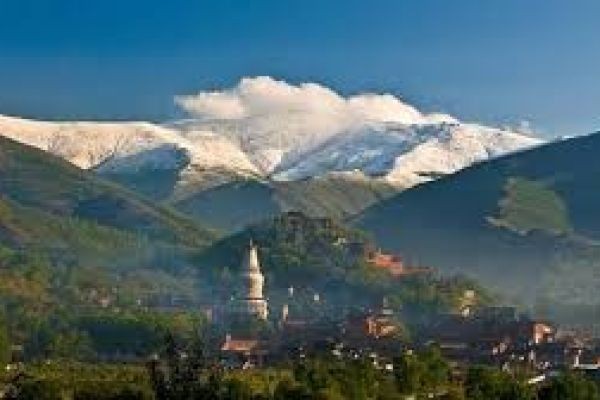
Five Terraces: North Terrace is the highest, often snow-capped, while East and West Terraces provide panoramic views of valleys and temples.
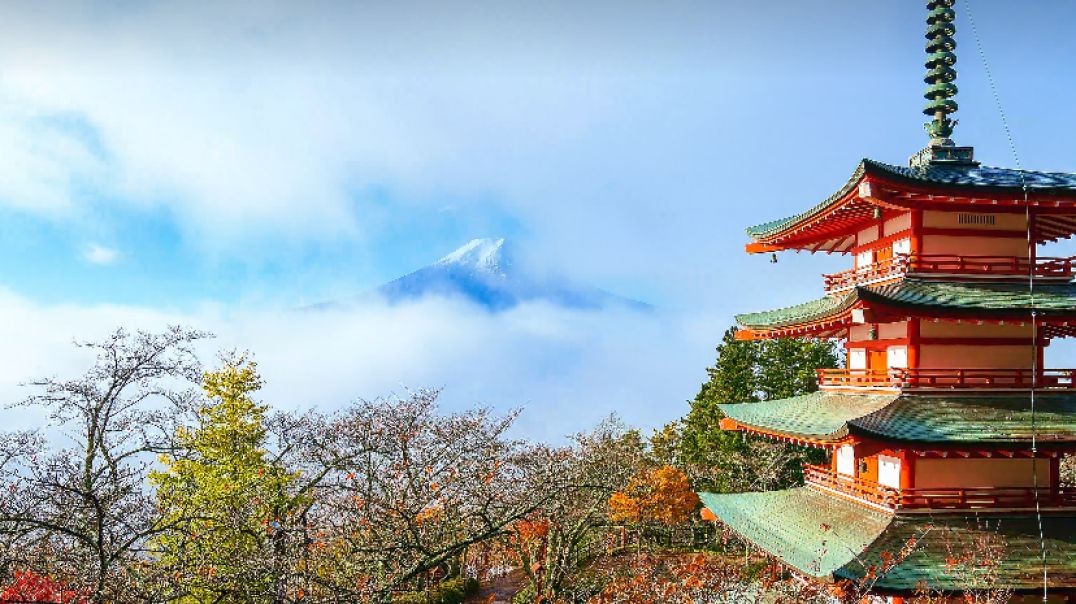
Historic Temples: Nanchan Temple and Foguang Temple date back to the Tang Dynasty, showcasing ancient Buddhist art.
Pilgrimage Culture: Monks, pilgrims, and travelers converge here, creating a vibrant spiritual atmosphere.
Alpine Beauty: Meadows, wildflowers, and crisp mountain air make Wutai a refreshing contrast to Emei’s subtropical forests.
Adventure Notes
Trekking between terraces requires stamina, but the views are worth every step.
Summer is ideal for hiking, while winter offers a snowy, mystical landscape.
Guesthouses and monasteries provide simple accommodations, often with vegetarian meals.
Why These Peaks Matter
Spiritual Resonance: Both mountains are living centers of Buddhism, where chants echo through valleys and incense drifts in temple courtyards.
Natural Splendor: From Emei’s misty forests to Wutai’s alpine meadows, the landscapes are as diverse as they are stunning.
Adventure Meets Pilgrimage: Hiking here is not just physical — it’s a journey into China’s cultural and spiritual heart.
Practical Tips
Best Season: Spring and autumn for mild weather; summer for lush greenery; winter for solitude.
Gear: Comfortable hiking boots, layered clothing, and rain protection.
Respect: These are sacred sites — dress modestly and be mindful in temples.
Time Needed: Allocate at least 2–3 days for each mountain to fully immerse yourself.
Final Thoughts
Exploring Mount Emei and Mount Wutai is more than an adventure — it’s a pilgrimage through landscapes that have inspired monks, poets, and travelers for centuries. Whether you’re chasing the thrill of high-altitude trekking or seeking quiet reflection in temple courtyards, these sacred peaks promise a journey that lingers long after you descend.