
Special Economic Zones: The Birthplace of China’s Modern Growth Story
Origins of SEZs
In 1978, Deng Xiaoping launched China’s “Reform and Opening Up” policy, marking a dramatic shift from a planned economy to market-oriented reforms.
To test these reforms, China established Special Economic Zones (SEZs) in Shenzhen, Zhuhai, Shantou, and Xiamen in 1980.
These zones were designed to attract foreign investment, technology, and management expertise, while experimenting with market mechanisms in a controlled environment.
Why SEZs Were Revolutionary
Tax Incentives: Lower corporate taxes and customs duties encouraged foreign companies to invest.
Flexible Policies: SEZs allowed more autonomy in trade, labor, and business operations compared to the rest of China.
Infrastructure Development: Ports, highways, and industrial parks were rapidly built to support manufacturing and exports.
Global Integration: SEZs became gateways for China to connect with international markets, especially in Asia and the West.
Shenzhen: The Icon of Transformation
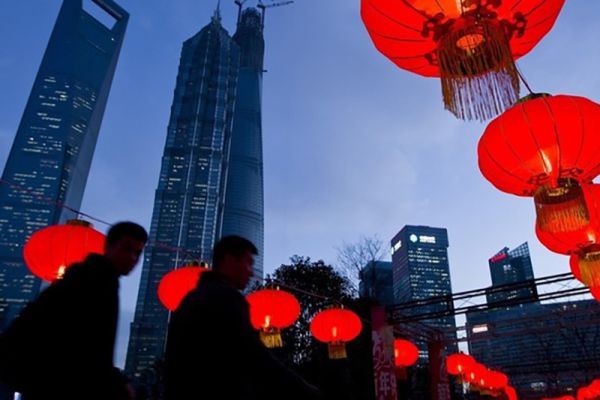
Once a small fishing village, Shenzhen became the poster child of SEZ success.
By embracing foreign capital and private enterprise, it grew into a global tech hub, home to giants like Huawei, Tencent, and DJI.
Shenzhen’s GDP skyrocketed, symbolizing how SEZs could turn local economies into engines of national growth.
Impacts on China’s Economy
Export-Led Growth: SEZs fueled China’s rise as the “world’s factory,” producing electronics, textiles, and consumer goods for global markets.
Job Creation: Millions of workers migrated to SEZs, sparking urbanization and raising living standards.
Policy Spillover: Successful practices in SEZs were replicated nationwide, shaping China’s broader economic reforms.
Foreign Direct Investment (FDI): SEZs attracted billions in FDI, accelerating technology transfer and industrial upgrading.
Challenges and Criticisms
Regional Inequality: SEZs prospered while inland provinces lagged behind, creating economic imbalances.
Labor Issues: Rapid industrialization led to concerns about worker rights and environmental sustainability.
Dependency on Exports: Heavy reliance on global demand made SEZs vulnerable to external shocks.
The Legacy of SEZs
SEZs are widely regarded as the birthplace of China’s modern growth story, proving that controlled liberalization could coexist with socialism.
They laid the foundation for China’s transformation into the second-largest economy in the world.
Today, SEZs continue to evolve, focusing on innovation, green technology, and digital industries, ensuring relevance in the 21st century.
Conclusion
China’s Special Economic Zones were more than policy experiments—they were launchpads for national transformation. By opening doors to foreign investment and embracing market reforms, SEZs ignited China’s economic miracle. From Shenzhen’s meteoric rise to nationwide replication, SEZs remain a powerful reminder that bold innovation can reshape a nation’s destiny.