
The Spring Festival, also known as Chinese New Year, is the most important and heartfelt celebration in China, symbolizing renewal, family unity, and cultural tradition. It is not only a holiday but a living expression of Chinese identity that has evolved over thousands of years.
Spring Festival: The Heartbeat of Chinese New Year
Origins and Significance
The Spring Festival (Chūn Jié, 春节) dates back nearly 4,000 years, rooted in ancient rituals of worshipping gods and ancestors.
It marks the first day of the lunar calendar, usually between late January and mid-February.
The festival embodies the idea of sweeping away the old and welcoming the new, ensuring prosperity and good fortune for the year ahead.
Pre-Festival Preparations
Families perform a thorough cleaning of their homes (Sǎo Chén, 扫尘) to drive away bad luck and make space for blessings.
New Year shopping is essential—people buy decorations, food, and gifts to prepare for the celebrations.
Red decorations, couplets, and lanterns fill homes and streets, symbolizing luck and protection against evil spirits.
Family Reunion and Traditions
The New Year’s Eve reunion dinner is the centerpiece of the festival, often featuring dumplings, fish, and rice cakes, each carrying symbolic meaning.
At midnight, fireworks and firecrackers are set off to ward off evil and welcome the new year with joy.
Children receive red envelopes (hóngbāo, 红包) filled with money, a gesture of blessing and prosperity.
Festivities and Customs
The celebrations last 15 days, culminating in the Lantern Festival, where lanterns light up the night sky.
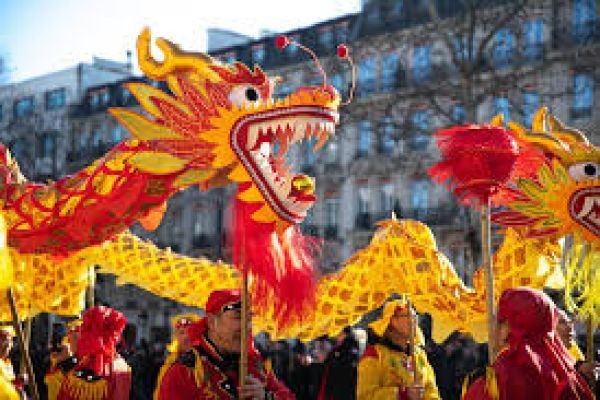
Traditional performances include dragon and lion dances, showcasing strength, courage, and community spirit.
Worshipping ancestors and visiting temples remain important rituals, connecting families to their heritage.
Global Celebration
Today, the Spring Festival is celebrated not only in China but across the world, from Chinatown parades in New York and London to family gatherings in Southeast Asia.
It has become a global symbol of Chinese culture and identity, bridging communities across continents.
Conclusion
The Spring Festival is the heartbeat of Chinese New Year, blending ancient traditions with modern celebrations. It is a time of family, renewal, and hope, reminding us that cultural heritage continues to shape the rhythms of modern life. From dumplings on the dinner table to lanterns in the sky, the Spring Festival remains a timeless celebration of unity and joy.