
China’s Belt and Road Initiative (BRI) is reshaping global trade by building a modern “Silk Road” of infrastructure, investment, and connectivity across continents. Launched in 2013, it has become one of the most ambitious projects in history, redefining how goods, services, and influence flow worldwide.
The Belt and Road Initiative: Redefining Global Trade Routes
Origins and Vision
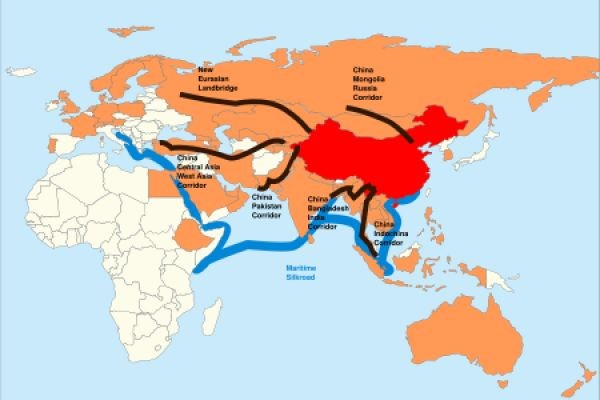
Announced in 2013, the BRI is inspired by the ancient Silk Road, aiming to link Asia, Africa, Europe, and the Middle East through a network of land and maritime routes.
It is not just about trade—it’s a development strategy designed to enhance global connectivity, cooperation, and economic growth.
Over 140 countries have signed agreements, making it one of the largest international collaborations in modern history.
Infrastructure and Connectivity
Maritime Silk Road: Development of ports in Southeast Asia, Africa, and the Mediterranean to boost shipping efficiency.
Land Routes: Railways and highways connecting China to Central Asia and Europe, reducing transport times dramatically.
Digital Silk Road: Investments in 5G, AI, and digital infrastructure, ensuring China’s influence in the future of global commerce.
Green Corridors: Projects focusing on renewable energy and sustainable development, aligning with global climate goals.
Opportunities Created by BRI
Trade Expansion: Shorter, faster routes reduce costs and open new markets.
Investment Growth: Infrastructure projects stimulate local economies and create jobs.
Cultural Exchange: Revives the spirit of the Silk Road, fostering cooperation beyond economics.
Strategic Influence: Strengthens China’s role as a central hub in global supply chains.
Challenges and Risks
Geopolitical Tensions: Some countries view BRI as a tool for expanding China’s influence, raising concerns about dependency.
Debt Risks: Infrastructure loans have led to debt burdens in certain partner nations.
Operational Risks: Large-scale projects face delays, corruption, and environmental concerns.
Global Competition: Initiatives like the EU’s Global Gateway and the US’s Build Back Better World aim to counterbalance China’s BRI.
The Future of Global Trade Routes
With over $1 trillion already invested, the BRI is transforming trade flows by creating new corridors of commerce.
If successful, it could redefine globalization itself, shifting the center of economic gravity further toward Asia.
The challenge lies in balancing economic opportunity with sustainability and fair partnerships.
Conclusion
The Belt and Road Initiative is more than infrastructure—it’s a blueprint for the future of global trade. By reviving the Silk Road in modern form, China is positioning itself at the heart of global commerce. While opportunities abound, the initiative also raises questions about geopolitics, debt, and sustainability. The BRI’s legacy will depend on whether it becomes a true engine of shared prosperity or a contested path of influence.