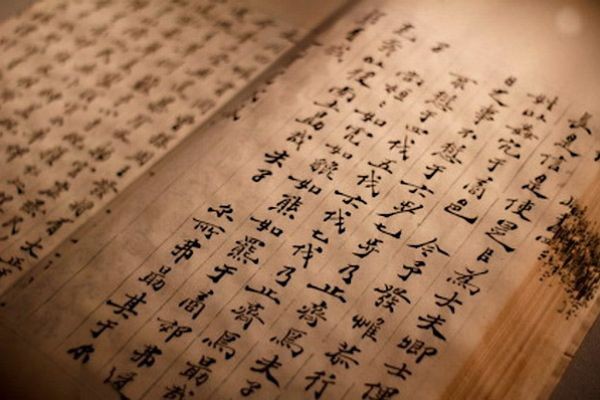

Chinese literature has one of the longest continuous traditions in the world, spanning over 3,000 years from oracle bone inscriptions to modern novels. It reflects China’s philosophy, politics, and culture across dynasties, making it both a historical record and an artistic treasure.
The History of Chinese Literature
Ancient Beginnings
Oracle bone inscriptions (c. 1250 BCE): The earliest known Chinese writing, used for divination during the Shang dynasty.
Classical texts: Works like the I Ching (Book of Changes) and Shujing (Book of Documents) laid the foundation for Chinese philosophy and governance.
Confucian and Daoist classics: Thinkers such as Confucius (Analects) and Laozi (Dao De Jing) shaped moral and spiritual traditions.
✍️ Golden Ages of Poetry
Han dynasty (202 BCE–220 CE): Poetry flourished, with themes of nature, war, and daily life.
Tang dynasty (618–907 CE): Considered the golden age of poetry, producing masters like Li Bai, Du Fu, and Wang Wei. Their works remain central to Chinese culture.
Song dynasty (960–1279 CE): Known for ci poetry—lyrical verses often set to music. Writers like Su Shi elevated poetry into philosophical reflection.
Drama & Vernacular Literature
Yuan dynasty (1271–1368 CE): Rise of drama and plays, such as The Orphan of Zhao.
Ming (1368–1644) and Qing (1644–1911) dynasties: The era of great novels written in vernacular Chinese, including:
Romance of the Three Kingdoms
Journey to the West
Water Margin
Dream of the Red Chamber (often called China’s greatest novel)
Modern Literature
Early 20th century: Writers like Lu Xun pioneered modern Chinese literature, using vernacular language to critique society.
Post-1949: Literature reflected political movements, with socialist realism dominating.
Contemporary era: Authors such as Mo Yan (Nobel Prize winner, 2012) explore rural life, history, and modern challenges, blending realism with magical elements.
Final Thoughts
Chinese literature is a mirror of China’s civilization, evolving from oracle bones to global bestsellers. Each era contributed unique forms—classics, poetry, drama, novels—that continue to influence world literature today.