
The History of Chinese Sports
Ancient Origins
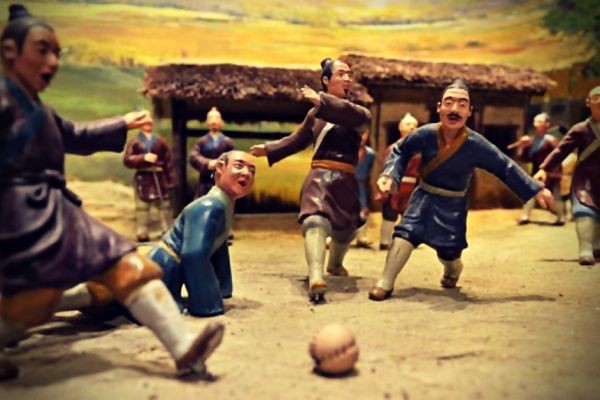
Cuju (蹴鞠): An ancient ball game dating back to the Han dynasty (206 BCE–220 CE), considered the earliest form of football. It was played by kicking a leather ball into a net and was popular among soldiers for training.
Martial arts (Wushu): Rooted in military training, martial arts developed into cultural practices emphasizing discipline, philosophy, and physical skill.
Dragon boat racing: Originating over 2,000 years ago, this sport was tied to rituals and festivals, especially the Dragon Boat Festival honoring poet Qu Yuan.
Archery and wrestling: Both were essential for military preparation and became competitive sports in imperial courts.
Sports in Imperial China
During the Song dynasty (960–1279), sports shifted from purely military training to leisure and entertainment. Street performances, acrobatics, and recreational games became popular.
Physical activities were often linked to festivals, religious rituals, and community bonding.
Western Influence in the 19th Century
Western sports entered China during the Qing dynasty (1644–1911), introduced by missionaries and schools.
Organizations like the YMCA promoted football, basketball, and athletics, embedding them into modern education.
This period marked the beginning of China’s integration into global sporting culture.
Modern Era & Olympics
After 1949, the People’s Republic of China emphasized sports as part of national pride and health.
China rejoined the Olympic movement in 1980 and has since become a dominant force, excelling in sports like gymnastics, table tennis, diving, and weightlifting.
Hosting the 2008 Beijing Olympics was a milestone, showcasing China’s ability to organize world-class sporting events.
The 2022 Beijing Winter Olympics made China the first country to host both Summer and Winter Games.
Final Thoughts
The history of Chinese sports is a journey from ancient martial traditions and ritual games to modern Olympic achievements and global influence. It reflects China’s cultural evolution, resilience, and ambition to be a leader not only in politics and economics but also in the world of sports.