
Modern Chinese cinema has become a global powerhouse, blending tradition with innovation. Over the past two decades, filmmakers in China have produced visually stunning, emotionally rich, and commercially successful films that resonate both domestically and internationally.
The Rise of Modern Chinese Films
Global recognition: Since the early 2000s, Chinese films have gained international acclaim, with directors like Ang Lee, Zhang Yimou, and Wong Kar-wai shaping global perceptions of Chinese storytelling.
Industry growth: Increased funding, advanced technology, and relaxed censorship laws have allowed filmmakers to experiment with diverse genres and themes.
Cultural influence: Modern films often explore China’s rapid modernization, social tensions, and historical legacies, making them both entertaining and thought-provoking.
Iconic Modern Chinese Films
Here are some standout titles that showcase the diversity of modern Chinese cinema:
| Film | Year | Genre | Why It Matters |
|---|---|---|---|
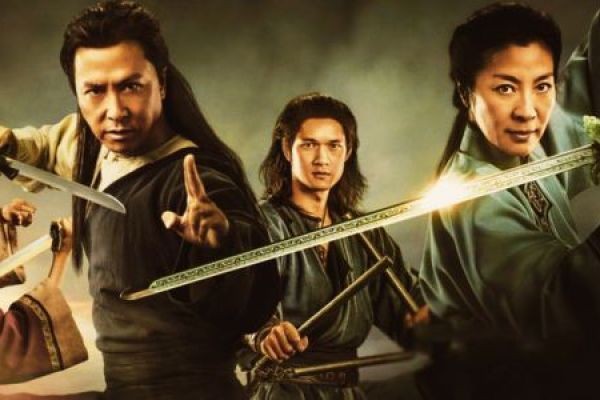
| Crouching Tiger, Hidden Dragon | 2000 | Martial Arts/Fantasy | Brought Chinese wuxia to global audiences; won 4 Oscars |
| Hero | 2002 | Historical Epic | Zhang Yimou’s visually stunning tale of loyalty and sacrifice |
| Infernal Affairs | 2002 | Crime Thriller | Inspired Hollywood’s The Departed; gritty look at morality |
| The Wandering Earth | 2019 | Sci-Fi | China’s first big-budget sci-fi blockbuster; global box office hit |
| Better Days | 2019 | Drama | Tackled youth bullying and social pressures; Oscar-nominated |
⚡ Trends in Modern Chinese Cinema
Martial arts reimagined: Films like Ip Man modernized kung fu storytelling with emotional depth.
Sci-fi expansion: With The Wandering Earth, China entered the global sci-fi stage, proving its technical capabilities.
Social realism: Directors increasingly highlight issues like inequality, education, and urbanization (Better Days, Blind Mountain).
Cross-cultural appeal: Many films are co-produced with international studios, bridging East and West.
Why Modern Chinese Films Matter
They preserve tradition while embracing modernity.
They challenge global cinema norms, offering fresh perspectives.
They reflect China’s transformation into a cultural superpower.
In short: modern Chinese films are not just entertainment—they’re cultural statements. Whether through breathtaking martial arts choreography, futuristic sci-fi spectacles, or intimate social dramas, they capture the pulse of a nation in transition and invite the world to watch.