
Cultural heritage is more than relics of the past—it is the foundation of modern China’s identity. From ancient philosophies and dynastic legacies to UNESCO-listed monuments and living traditions, heritage continues to influence how China sees itself and how it presents its image to the world.
Heritage as Collective Memory
China’s cultural heritage is a tapestry woven from thousands of years of history, philosophy, art, and traditions.
Heritage sites, festivals, and practices serve as anchors of collective memory, reminding citizens of their shared past.
This collective memory is not static—it is curated and reinterpreted to align with modern aspirations.
Preservation and Modernization
Under contemporary leadership, there has been a strong emphasis on preserving cultural sites and relics while integrating them into modern life.
Examples include restoration projects at the Longmen Grottoes and the promotion of traditional arts like calligraphy and opera.
Heritage preservation is seen as a way to balance modernization with continuity, ensuring that rapid urban development does not erase cultural roots.
Cultural Heritage in Everyday Life
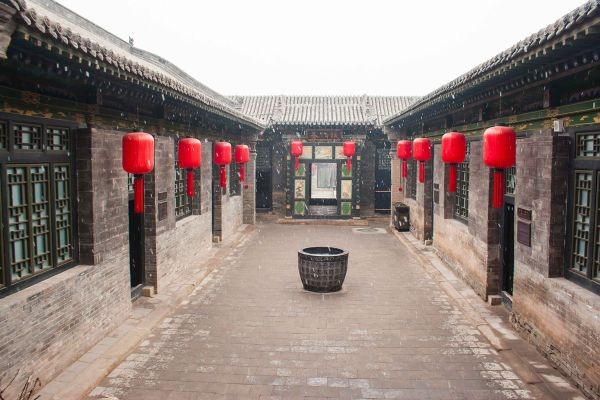
Traditional festivals such as Spring Festival (Chinese New Year) and Mid-Autumn Festival remain central to family and community life.
Practices like tea culture, martial arts, and folk customs continue to thrive, blending seamlessly with modern lifestyles.
These traditions reinforce a sense of belonging and national pride.
Heritage and Global Identity
China uses its cultural heritage as a soft power tool, showcasing its historical depth and cultural richness to the world.
Initiatives like the Silk Road revival highlight China’s role as a bridge between East and West.
Cultural diplomacy—through exhibitions, Confucius Institutes, and heritage tourism—strengthens China’s global image.
Final Thoughts
Cultural heritage in modern China is not just about preserving temples, palaces, or ancient texts. It is about reaffirming identity, fostering unity, and projecting cultural confidence in a rapidly changing world. By weaving tradition into modern innovation, China demonstrates that heritage is not a relic—it is a living force shaping the nation’s present and future.