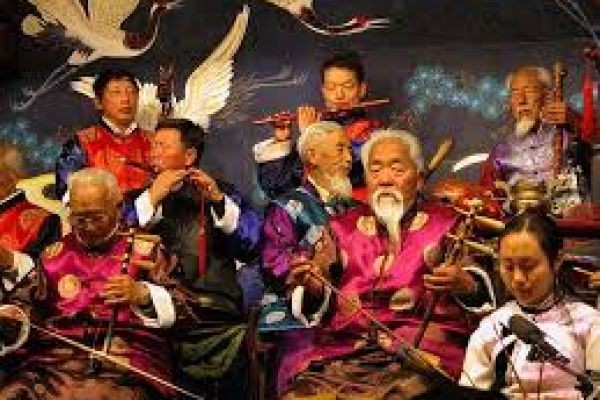

The Role of Folk Songs in Preserving Chinese Heritage
Ancient Roots of Folk Songs
Chinese folk songs date back thousands of years, often originating in rural villages and farming communities.
They were passed down orally, serving as a way to record history, express emotions, and celebrate daily life.
Folk songs vary by region, reflecting the diverse ethnic groups of China—from Han ballads to Tibetan chants and Mongolian throat singing.
Cultural Identity and Storytelling
Folk songs are living archives of tradition, capturing stories of love, labor, war, and nature.
For example, the “Shan’ge” (mountain songs) of southern China express the joys and struggles of rural life.
These songs preserve dialects, idioms, and local customs, ensuring that cultural identity survives across generations.
Rituals and Festivals
Folk songs are central to festivals, weddings, and harvest celebrations, reinforcing community bonds.
During the Dragon Boat Festival, traditional songs accompany races, while New Year celebrations often feature folk performances.
They act as cultural glue, connecting people to their ancestors and shared heritage.
Modern Adaptations
Today, folk songs are being revived and reinterpreted through modern genres like pop, rock, and fusion.
Musicians incorporate traditional instruments such as the erhu, pipa, and guzheng, blending old and new sounds.
Digital platforms and cultural programs help preserve these songs, making them accessible to younger generations and global audiences.
Why Folk Songs Matter
They preserve intangible heritage, keeping alive traditions that might otherwise fade in a rapidly modernizing society.
Folk songs foster cultural pride and continuity, reminding people of their roots.
They also serve as a bridge between generations, allowing elders to pass wisdom and values to the youth.
Conclusion
Chinese folk songs are more than melodies—they are echoes of history, identity, and community. By preserving dialects, traditions, and values, they safeguard China’s cultural heritage in ways that books and monuments cannot. As they continue to evolve and inspire modern music, folk songs remain timeless guardians of China’s soul.