
Chinese literature has undergone a profound transformation over the past century, evolving from classical traditions into modern and contemporary forms that reflect both global influences and China’s own cultural shifts. Below is a detailed blog-style exploration of this journey.
The Transformation of Chinese Literature: From Tradition to Modernity
Classical Roots
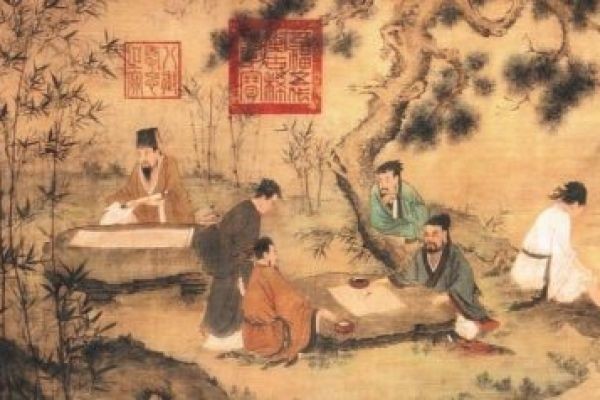
For centuries, classical Chinese literature was dominated by Confucian, Daoist, and Buddhist thought.
Poetry (like Tang dynasty works of Li Bai and Du Fu) and prose (such as historical records and philosophical texts) emphasized moral order, harmony with nature, and social responsibility.
Literature was closely tied to the imperial examination system, meaning it often reflected elite scholarly values.
The May Fourth Movement (1917–1919)
The literary revolution of 1917 marked the starting point of modern Chinese literature.
Intellectuals called for a break from classical Chinese and promoted vernacular writing (baihua) to make literature accessible to ordinary people.
Writers like Lu Xun used literature as a tool for social critique, exposing feudal traditions and advocating reform.
Global Influences
Modern Chinese literature absorbed ideas from Western realism, romanticism, and modernism.
Translations of foreign works inspired new genres, including novels, short stories, and plays.
This blending of Chinese tradition with global currents created a hybrid literary identity.
Post-1949 and Socialist Realism
After the founding of the People’s Republic of China, literature became a vehicle for political ideology.
Writers were encouraged to produce works in line with socialist realism, glorifying workers, peasants, and soldiers.
While this period restricted creative freedom, it also produced influential works that reflected the collective spirit of the time.
Reform Era and Contemporary Voices
Since the late 1970s, with China’s economic reforms, literature diversified again.
Writers explored themes of individual identity, urbanization, migration, and globalization.
Contemporary Chinese literature is now part of the creative economy, with authors experimenting in digital formats, online fiction, and cross-media storytelling.
Key Features of Transformation
Language shift: From classical Chinese to vernacular writing.
Form evolution: From poetry and essays to novels, short stories, and multimedia literature.
Themes: From moral order and tradition to social critique, political ideology, and personal identity.
Global integration: Chinese literature now dialogues with world literature while retaining unique cultural roots.
Conclusion
The transformation of Chinese literature reflects China’s broader social, political, and cultural changes. From the May Fourth Movement’s radical break with tradition to today’s digital storytelling, literature has remained a mirror of China’s evolving identity. It is not just a record of history but also a creative force shaping the nation’s future.