
China protects its environment through a mix of strict laws, large-scale green initiatives, and global climate commitments. The country is moving toward a model of “ecological civilization,” aiming to balance rapid development with sustainability.
Strong Legal Framew
How China Protects Its Environment
ork
In April 2025, China unveiled a draft of its first-ever Environmental Code, a comprehensive law with 1,188 articles covering pollution prevention, ecological protection, low-carbon development, and legal accountability.
This code, once adopted, will be China’s second statutory code after the Civil Code, signaling the seriousness of environmental governance.
Pollution Control & Green Development
China has tightened regulations on carbon offsets and renewable energy certificates, pushing industries toward cleaner energy.
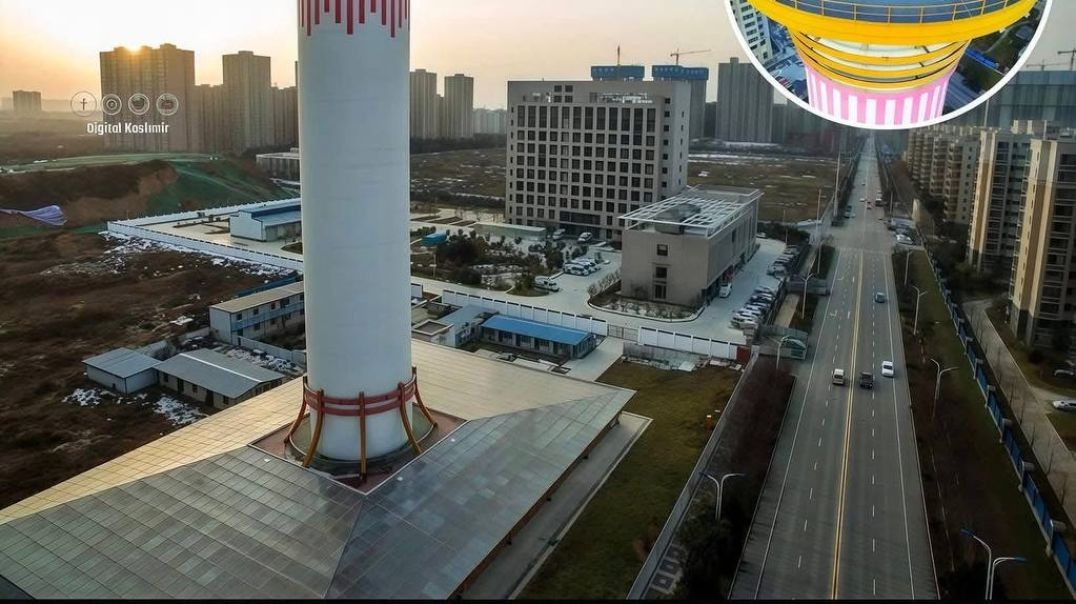
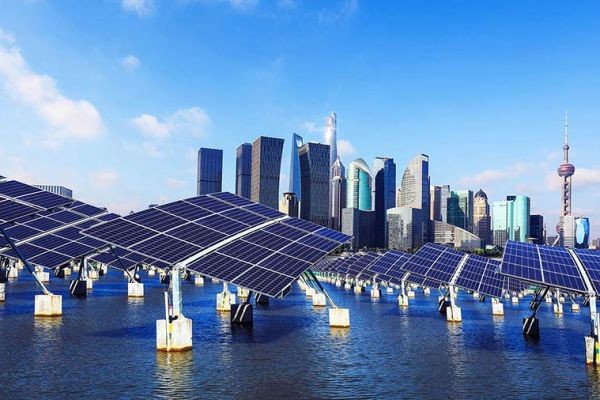
Massive investments in renewable energy—solar, wind, and hydropower—are helping reduce reliance on coal.
Cities are adopting green transportation, including electric buses, high-speed rail, and bike-sharing systems, to cut urban emissions.
Ecological Protection
China promotes the concept of “Ecological Civilization”, embedding environmental protection into national development strategies.
Large-scale reforestation projects have restored millions of hectares of forest, making China one of the few countries with net forest growth.
Wetland and biodiversity conservation programs protect endangered species and fragile ecosystems.
Climate Commitments
China is a key player in global climate talks, pledging to peak carbon emissions before 2030 and achieve carbon neutrality by 2060.
At COP events, Chinese officials emphasize accelerating implementation of Nationally Determined Contributions (NDCs) to meet global climate goals.
Challenges Ahead
Local enforcement: While national policies are strong, local governments sometimes prioritize economic growth over environmental rules.
Energy transition: Balancing industrial demand with renewable energy expansion remains a challenge.
Global responsibility: As the world’s largest emitter, China’s actions have outsized influence on global climate outcomes.
Final Thoughts
China’s environmental protection strategy is multi-layered: strict laws, green innovation, ecological restoration, and international cooperation. While challenges remain, its push toward an “ecological civilization” shows a commitment to making sustainability central to national identity.