
Introduction
Seal carving, known in Chinese as zhuanke (篆刻), is one of the oldest and most enduring art forms in East Asia. More than just a practical tool for authentication, seals embody identity, artistry, and cultural heritage. From emperors to scholars, seals have served as personal signatures carved into stone, leaving behind impressions that carry both authority and beauty. Remarkably, this tradition continues today, bridging the ancient past with modern life.
Historical Origins
Early beginnings: Seals first appeared in China during the Shang Dynasty (1600–1046 BCE), initially used for official documents and property markings.
Imperial authority: By the Qin and Han dynasties, seals became symbols of power, with emperors commissioning elaborate jade and bronze seals to legitimize decrees.
Scholar’s art: During the Ming and Qing dynasties, seal carving evolved into a refined art form. Literati carved their own seals, often inscribed with poetic phrases or philosophical reflections.
The Artistry of Seal Carving
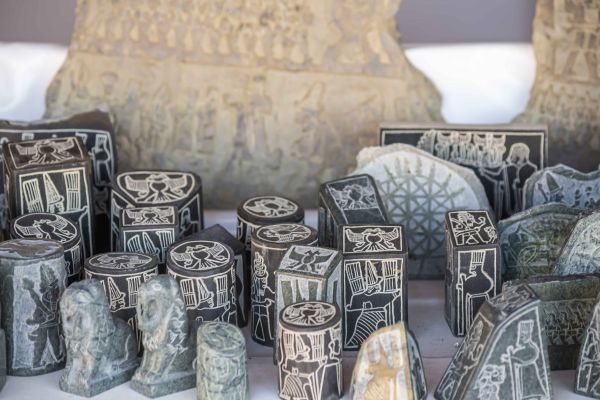
Materials: Traditional seals are carved from stone, jade, ivory, or bronze, with Shoushan and Qingtian stones prized for their softness and beauty.
Scripts: Seal carvers often use ancient scripts such as Seal Script (Zhuanshu), lending a timeless elegance to the characters.
Technique: Carving requires precision, patience, and creativity. Each stroke must be carefully etched, balancing clarity with artistic flair.
Design: Beyond text, seals may include decorative motifs—dragons, clouds, or abstract patterns—that reflect the owner’s personality.
Philosophy and Discipline
Seal carving is not just craft—it is a meditative practice.
The process embodies discipline and mindfulness, as the carver must harmonize strength with delicacy.
Each seal reflects the inner spirit of its owner, much like calligraphy or painting.
Seals in Modern Life
Art and authentication: Seals are still used by artists to sign calligraphy and paintings, adding a mark of authenticity.
Personal identity: In Japan and Korea, seals (hanko/inkan and dojang) remain essential for signing contracts and official documents.
Cultural heritage: Seal carving is recognized as an intangible cultural heritage, with workshops and exhibitions keeping the tradition alive.
Contemporary design: Modern carvers experiment with new materials and abstract styles, blending tradition with innovation.
Legacy and Continuity
Seal carving represents the fusion of utility and art, a practice that has survived thousands of years. Whether used by emperors to command nations or by artists to sign their work, seals remain powerful symbols of identity and continuity. Today, they remind us that even in a digital age, the tactile beauty of stone-carved signatures continues to resonate.
Conclusion
Seal carving is more than an ancient craft—it is a living tradition that embodies history, artistry, and personal expression. Each carved stone is a timeless signature, carrying the weight of culture and the beauty of human creativity.