
Introduction
Chinese folk dance is more than performance—it is a living archive of regional traditions, stories, and cultural identity. Across China’s vast landscape, each community has developed dances that embody local customs, beliefs, and histories. From the vibrant Yangge of the north to the graceful Peacock Dance of Yunnan, these dances are symbolic expressions of heritage, passed down through generations.
Historical Roots of Folk Dance
Ancient origins: Folk dances trace back thousands of years, often linked to rituals for harvest, fertility, and ancestor worship.
Community identity: Dances were performed during festivals, weddings, and village gatherings, reinforcing social bonds.
Integration with storytelling: Movements often narrate myths, legends, or daily life, making dance both entertainment and oral history.
Regional Symbolism in Dance
Northern China – Yangge Dance
Performed during Lunar New Year celebrations.
Symbolizes joy, prosperity, and community unity.
Bright costumes and lively steps reflect agricultural abundance.
Southwest China – Peacock Dance (Yunnan)
Inspired by the Dai ethnic group’s reverence for the peacock.
Symbolizes beauty, grace, and spiritual purity.
Gentle hand gestures mimic the bird’s elegance.
Tibetan Circle Dances
Performed during religious festivals.
Symbolize harmony, collective strength, and spiritual devotion.
Circular formations represent cosmic cycles and unity.
Miao Ethnic Dances
Often accompanied by silver ornaments and traditional music.
Symbolize resilience, fertility, and ancestral pride.
Dance movements echo agricultural rituals and courtship traditions.
Symbolism in Movement and Costume
Gestures and steps: Each movement carries meaning—whether mimicking farming, animals, or celestial patterns.
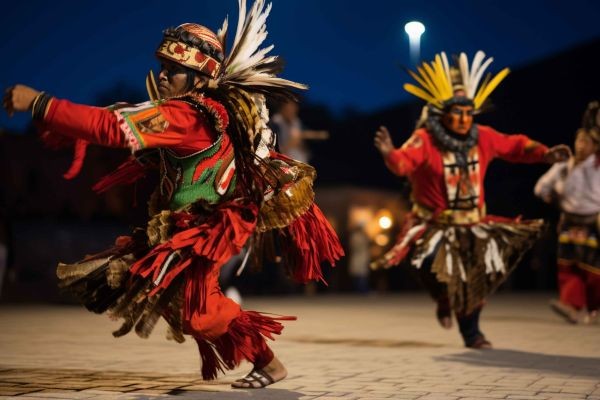
Costumes: Embroidered garments, masks, and ornaments symbolize local identity and beliefs.
Music and rhythm: Traditional instruments like drums, gongs, and flutes reinforce cultural symbolism.
Cultural Preservation Through Dance
Living heritage: Folk dances are recognized as intangible cultural heritage, ensuring their transmission to future generations.
Education and festivals: Schools and cultural centers teach folk dances, while festivals showcase them to wider audiences.
Modern adaptations: Contemporary choreographers blend folk elements with modern dance, keeping traditions relevant while honoring their roots.
Conclusion
Chinese folk dance is a symbolic language of culture, where every step, gesture, and costume tells a story. By preserving regional dances, communities safeguard their traditions, values, and collective memory. In a rapidly modernizing world, these dances remain vital threads connecting people to their heritage and identity.